Prairieville Animal Hospital Vet Clinic: Vaccination Schedule for Dogs and Cats
Vaccines are the surest way to keep a family’s dogs and cats out of the clinic for avoidable illnesses. At Prairieville Animal Hospital, we approach vaccination as a collaborative, age-guided plan that respects each animal’s lifestyle, risk factors, and medical history. A well-crafted schedule isn’t just a list of shots; it’s a roadmap that helps you anticipate and prepare for the veterinary visits that keep your companions healthy, active, and comfortable.
In practice, vaccine planning begins with a careful intake and a realistic discussion about what your pet does at home, in the neighborhood, and in boarding or grooming facilities. Do you have a multi-pet household? Are there frequent visitors who bring unvaccinated animals into contact with yours? Is your dog or cat an indoor-only companion or an adventurer who loves outdoor exploration? All of these details shape which vaccines are essential and how often boosters should be given.
This article runs through what Prairieville Animal Hospital typically considers when building a vaccination schedule for dogs and cats. It reflects years of hands-on clinical work, not guesswork. While some elements are universal, others are tailored to your pet and the local disease landscape. If you’re considering a vaccination plan, think of it as a conversation you start with your veterinarian during a preventive care visit. The goal is to protect your pet without exposing them to unnecessary injections or over-vaccination.
A practical starting point is to know the rhythm of vaccination in early life. Puppies and kittens are players in a fast-moving developmental stage, and their immune systems respond to vaccines in ways that require precise timing. As pets leave puppy or kittenhood, booster schedules often shift toward longer intervals, with annual or every-three-year recommendations for many vaccines. The exact cadence may vary by vaccine type, by the animal’s risk factors, and by the veterinarian’s clinical judgment. Below, you’ll find a framework built from real-world clinical experience and aligned with common veterinary practice in our region.
Why vaccination schedules matter
Preventive care is the bedrock of long-term health. Vaccines train the immune system to recognize and fight disease-causing agents before they take hold. When administered at the right times, vaccines reduce the risk of infection, lessen the severity of illness if infection occurs, and limit the spread of disease within households and communities. The consequences of skipping or delaying vaccines can be severe, especially for puppies and kittens under one year old whose developing immune systems rely heavily on timely immunization.
But there’s a balance to strike. Over-vaccination is a concern some pet owners express, particularly for animals with certain medical histories or those living in low-risk environments. The key is to partner with your veterinarian to tailor a schedule that provides robust protection without unnecessary procedures. This means considering your pet’s age, prior vaccine history, exposure risk, and any medical conditions that could affect vaccine safety or efficacy.
In the real world, vaccination isn’t a one-and-done decision. It is part of a broader preventive care program that includes parasite control, dental care, nutrition, and regular wellness assessments. The point of contact is often the annual or biannual preventive visit, where vaccines are administered in the context of a full health check. The clinic’s notes from these visits become a growing record, helping us adjust plans as your pet ages or as circumstances change—new family members, a move to a more outdoor lifestyle, or a change in daycare arrangements.
Core vaccines and beyond: a practical map
What follows is a practical map you can discuss with your Prairieville Animal Hospital veterinarian. It’s not a rigid script but a framework that helps you understand what to expect and why certain vaccines are recommended for dogs and cats at specific life stages. You’ll see two concise lists that summarize core vaccine categories and the typical rationale behind them. If you want to see the specific timing and dosage that applies to your pet, we’ll walk you through it during a preventive care visit, and we’ll adjust as needed if there are health considerations or lifestyle changes.

Core vaccines for dogs
The dog vaccine program centers on protecting against diseases that tend to cause serious illness across ages and living situations. The core vaccines are chosen because they address life-threatening infections with a broad risk profile for most dogs. In practice at our clinic, these vaccines are given as part of a schedule that starts in puppyhood and is maintained through adulthood with age-appropriate boosters. The exact timing may vary if your dog has concurrent medical conditions, if a specific exposure risk exists, or if a vaccine concern arises during a physical examination.
- DA2PP (distemper, adenovirus type 2, parainfluenza, parvovirus): This combination shot is the cornerstone of canine preventive care. It guards against several viruses that cause respiratory and gastrointestinal disease and can be fatal in puppies. Puppies typically start this series at 6 to 8 weeks of age, with boosters every 3 to 4 weeks until they are 16 weeks old, followed by an annual or triennial booster depending on the product and risk assessment.
- Rabies: A legally required vaccine in many areas, rabies protection is essential not only for the animal’s health but also for public health. The timing is age-dependent, but most puppies receive their first rabies shot around 12 to 16 weeks, followed by a booster at one year and then every one to three years based on local regulations and vaccine type.
- Canine influenza vaccine (specific brands and schedules vary): In dogs with higher exposure risk—such as those that attend doggy daycare, boarding facilities, or frequent dog parks—canine influenza vaccines can reduce the likelihood of respiratory illness due to the influenza virus. Some dogs receive a primary series followed by annual boosters if they’re in high-risk environments.
- Leptospirosis vaccine (where risk is present): Leptospira bacteria are found in water and soil in many regions. If your dog spends time outdoors, wades in ponds, or is at risk due to wildlife exposure, this vaccine may be recommended. It is not universally essential for every dog, but it can be life-saving for those with substantial exposure risk.
Core vaccines for cats
The feline vaccine program also prioritizes protection against infections that commonly lead to severe illness. Cats, with their own unique disease patterns, require a slightly different but equally important set of protections. The core vaccines have a broad protective effect and are recommended for most cats, with adjustments made for indoor versus outdoor lifestyles, age, and health status.
- FVRCP vaccine (feline viral rhinotracheitis, calicivirus, panleukopenia): This triple vaccine covers several viruses that can cause upper respiratory infections and severe gastrointestinal disease. Most kittens begin FVRCP at about 6 to 8 weeks of age, with boosters every 3 to 4 weeks until around 16 weeks, then a yearly or three-year booster depending on risk and the vaccine used.
- Rabies: Like in dogs, the rabies vaccine for cats is frequently mandated by local law. Timing commonly mirrors the canine schedule, with initial administration around 12 to 16 weeks and subsequent boosters at prescribed intervals. The exact schedule may vary, but protecting against rabies remains non-negotiable for public health reasons.
- Optional non-core vaccines for cats: In some circumstances, veterinarians consider non-core vaccines for cats, particularly if the cat has outdoor access or lives with at-risk household members or animals. These can include vaccines for feline leukemia virus (FeLV) or Chlamydophila felis, depending on exposure risk and local prevalence. The decision to use non-core vaccines is individualized and discussed during the preventive care visit.
Two concise lists capture the essential structure of our approach to vaccination. They are not rigid prescriptions but a practical snapshot that helps families understand how the plan forms over time.
The vaccination schedule in practice
The puppy and kitten window is the busiest, because the immune system is learning to respond to a flood of new antigens. For puppies, the vaccination sequence generally starts around 6 to 8 weeks of age, with subsequent doses every 3 animal clinic prairieville la to 4 weeks until the animal turns about 16 weeks old. After the initial series, most dogs receive a booster one year later, then every one to three years depending on the vaccine type and risk profile. For kittens, similar timing applies to the FVRCP series, with boosters as recommended by the veterinarian and local guidelines.
As animals transition into adulthood, the schedule shifts to maintenance boosters. The canine DA2PP and rabies boosters, for instance, may be given every three years depending on the products used and local regulations. Cats typically follow a similar cadence for FVRCP and rabies, though some products allow longer intervals between boosters. It’s essential to connect booster timing with wellness checks. A routine exam makes it easier to spot evolving health concerns that might influence vaccine choices or timing.
Practical considerations you’ll encounter
Every visit to Prairieville Animal Hospital for vaccination includes more than a needle prick. We discuss the pet’s general condition, examine for any signs of illness, and review the animal’s current medications and lifestyle. If a pet has a history of vaccine reaction or other adverse events, we’ll tailor the plan to minimize risk. In some cases, we may pace the vaccination schedule, spreading out a maximum number of vaccines over several days or weeks to reduce stress on a single visit.
For dogs, the setting often determines how vaccines are administered. Some owners bring dogs who respond better to a calm, quiet room, while others prefer a vaccine clinic with minimal handling. Cats, particularly those with a tendency to become stressed during vet visits, may benefit from a cat-friendly approach, including FVRCP administration in a low-stress environment and strategies to reduce fear and physical restraint time. The experience matters, and we tailor the environment to your pet’s temperament.
Edge cases and exceptions
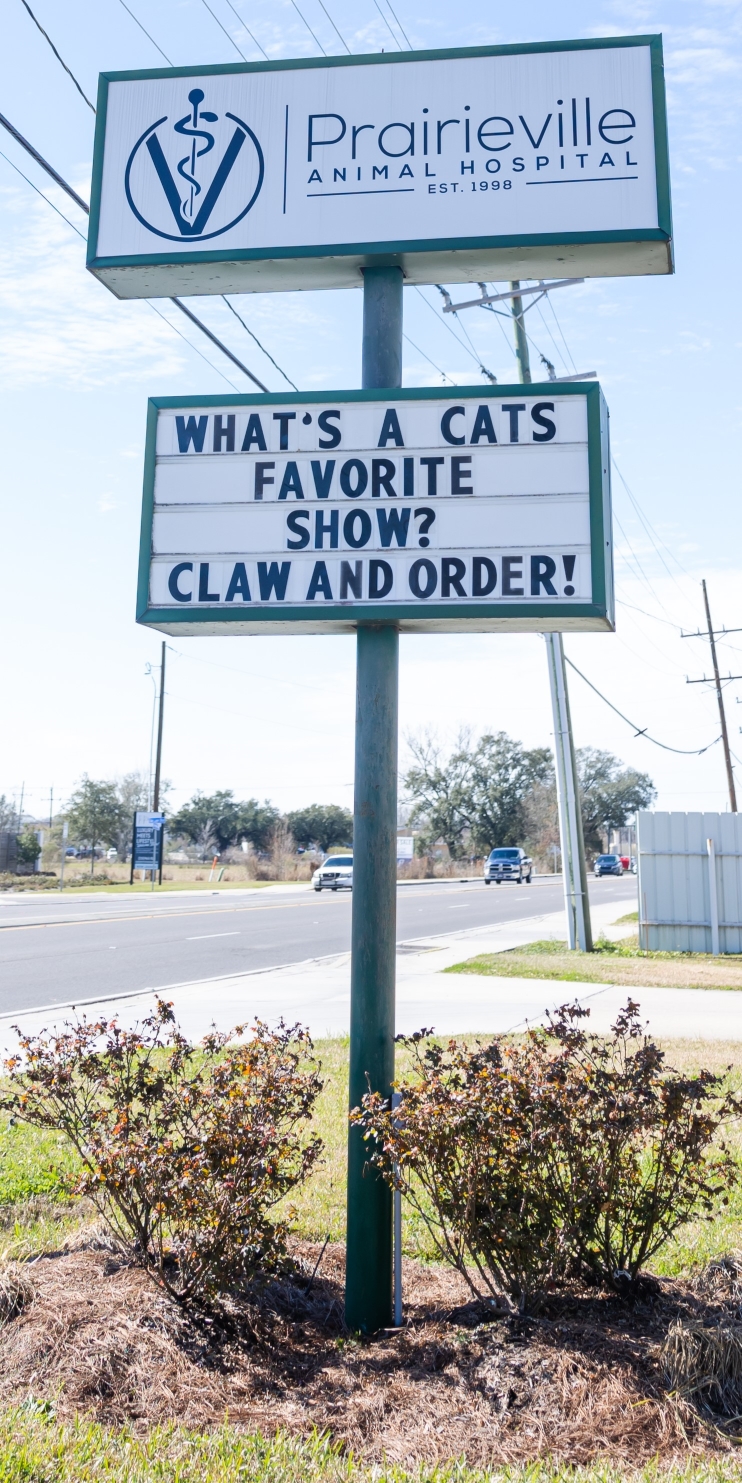
Not every animal follows the standard script. A few scenarios require deviation. Very young or very old animals may need adjusted dosing, or certain vaccines could be contraindicated due to the presence of specific illnesses or immune deficiencies. Animals with a history of allergic reactions to vaccines may receive a different protocol or an alternative schedule. In cases where a pet has a chronic illness such as kidney disease or a cardiac condition, the veterinarian might recommend delaying certain vaccines or selecting non-core options with careful monitoring.
A word about safety and comfort
We understand the concern many owners have about injections and vaccine reactions. In our experience, most vaccine reactions are mild and short-lived, often limited to temporary swelling at the injection site or a brief increase in appetite or lethargy. More serious reactions are rare but possible, which is why we monitor patients closely after vaccination and provide aftercare instructions. If you notice anything unusual after a visit, it’s essential to reach out promptly. The clinic is prepared to respond, and we’ll reassess the plan as needed.
A personal window into the process
During the years I have spent in practice, I’ve watched puppies become confident dogs, kittens grow into curious cats, and families align their routines around preventive care. The vaccination visit is one of those moments that reveals how much is possible when proactive care is paired with thoughtful timing. I recall working with a family whose dog developed a mild reaction after the first rabies booster. We paused and adjusted the schedule, opting for a longer interval between boosters and closer observation. The result: a healthy, vaccinated dog that remained a beloved member of the family, with a new level of trust in the clinic. Situations like that remind me why flexibility matters—why a schedule is best viewed as a living plan rather than a rigid timetable.
What to bring and what to expect at your preventive visit
Preparing for the vaccination visit helps the day go smoothly. Bring your pet’s medical history, any known drug allergies, prior vaccination records, and a list of medications. If this is your first wellness visit with Prairieville Animal Hospital, you’ll likely fill out a health questionnaire and discuss your pet’s daily routine in detail. Expect a brief physical exam, a quick health check for signs of illness, and a short discussion about any potential risk factors in your home environment. The actual vaccination process is quick, and most pets tolerate it without issue. A short post-visit observation period in the waiting room or a quiet exam room is common to ensure there are no immediate adverse reactions.
How Prairieville Animal Hospital approaches vaccination: a local perspective
In our practice, vaccination decisions are grounded in practical realities. The clinic’s approach has evolved from years of seeing what happens when preventive care aligns with lifestyle and risk. We emphasize clear communication: what a vaccine protects against, why it’s recommended, how the schedule might look if you travel with your pet, and what to expect after each shot. The aim is not to flood you with information but to equip you with actionable knowledge that informs daily decisions. We work with you to create a plan that respects your schedule and your pet’s comfort while maintaining robust protection against preventable disease.
A well-structured plan requires ongoing reassessment. As your dog or cat ages and life circumstances change, the risk profile shifts. A dog who becomes a frequent traveler between boarding facilities may benefit from an adjusted schedule that prioritizes airborne or gastrointestinal vaccines, while an indoor-only cat with little exposure might require a leaner program. The clinic’s preventive care philosophy remains adaptable, guided by evidence, clinical experience, and the unique context of your household.
Practical steps to take now
- Schedule a preventive care visit if you haven’t discussed vaccines recently. This is your best source for a tailored plan that reflects your pet’s current health and environment.
- Gather past medical records and vaccination history. If you’re unsure about the last booster dates, share any memory cues you have. We can fill in the gaps with current recommendations.
- Track your pet’s home life. Note any changes such as a new dog or cat in the house, a move to a more rural or urban environment, or a shift in daily activity. These factors can influence the vaccine strategy.
- Talk through risk with your veterinarian. If you or your household members are pregnant or have compromised immune systems, discuss any special considerations for vaccination and pet interactions.
- Plan for the long arc. Vaccination is a journey that extends beyond the first year. Set reminders for boosters and pair them with annual wellness checks to maintain a comprehensive health record.
Common questions and practical answers
- Do I really need vaccines for my indoor-only cat? Indoor cats still benefit from core vaccines because they are not completely insulated from risk. Exposure to other pets at a neighbor’s home, during travel, or via contaminated objects can occur. Rabies remains a critical public health safeguard, and FVRCP protects against a spectrum of ocular, respiratory, and gastrointestinal infections that indoor cats can encounter.
- How do you decide between a one-year and a three-year booster? The decision hinges on the specific vaccine product and the animal’s risk profile. Some vaccines permit longer intervals between boosters without compromising protection, while others are designed for more frequent administration to maintain robust immunity. We follow the manufacturer guidelines and adapt based on the animal’s response and lifestyle.
- What if my pet has a history of vaccine reactions? We document the reaction and adjust. In some cases we may change brands or alter the route of administration, or space out injections. We discuss post-shot observation plans and provide a clear signpost if a reaction occurs so you can act quickly.
A final word on partnership and planning
Vaccination is a cooperative effort between you and your veterinarian. It comes with responsibility and practical commitment, but the payoff is a longer, healthier life for your animals. At Prairieville Animal Hospital, we aim to translate medical science into a straightforward, human-centered plan that you can follow without guesswork. The schedule you adopt is not a fixed script but a flexible framework designed to adapt as your pet grows and your life evolves.
This approach applies to the youngest puppies and kittens just starting their journeys as well as adult dogs and cats entering midlife. It respects the realities of busy families, the concerns about vaccine safety, and the realities of busy veterinary practices that must balance individual needs with community health. In the end, the most valuable outcome is a sense of confidence that your pet’s preventive care is timely, personalized, and effective.
If you’re curious about how this plan would look for your pet, consider calling Prairieville Animal Hospital to set up a preventive care appointment. A conversation with one of our veterinarians can translate these general guidelines into a concrete schedule tailored to your dog or cat, your family, and your local environment. We’ll review your pet’s age, exposure risk, lifestyle, and health status to craft a vaccination plan that fits your life and protects your companion for the long haul.