Prairieville Animal Hospital: The Ideal Partner for Senior Pet Care
Nestled in a community that treats pets like extended family, Prairieville Animal Hospital has earned a steady reputation as the place where older dogs and cats receive thoughtful, thorough care. My own practice life taught me that senior pets arrive with a mix of needs: chronic conditions that require daily management, changing mobility, sensory shifts, and a pressing interest from their humans in preserving quality of life. The hospital’s team understands that balance between medical complexity and daily life is not a one-size-fits-all equation. It’s a process that rewards patience, precise diagnosis, and clear communication.
Senior pet care is not only about responding to problems as they appear. It’s a proactive discipline that blends preventive medicine, nutrition, and activity modification into a sustainable plan. When you find a partner who can translate the jargon of chronic disease into concrete steps the family can follow, you reduce stress for everyone involved. Prairieville Animal Hospital consistently aims for that kind of partnership—where care feels personal but is grounded in evidence, where the animal’s comfort is the guiding compass, and where the family leaves with a solid roadmap rather than a stack of unanswered questions.
A human-centered approach to senior care starts with listening. The veterinary team at Prairieville takes the time to understand a pet’s daily routine—the way they sleep, the way they move, the moments that bring them joy. The goal is not to stretch every life for as long as possible but to stretch it as well as it can be stretched. That nuance matters, especially when dealing with conditions common in older pets such as arthritis, kidney changes, thyroid imbalances, dental disease, and metabolic concerns. The hospital frames these issues not as isolated diagnoses but as parts of a larger health picture that shifts over time. The result is care that feels integrated rather than reactive.
A practical benefit of working with Prairieville Animal Hospital is consistency. Senior pets often thrive when there is continuity in the team they see, the way tests are interpreted, and the way treatment plans are adjusted. The practice’s schedule tends to respect this continuity, making it easier for families to plan around regular checkups, diagnostic workups, and potential interventions. In regions with a high demand for veterinary services, this predictability translates into reduced stress for the patient and more reliable outcomes for the owner.
What senior pet care looks like in daily life
The real strength of any veterinary partnership shows up in the small, daily decisions that impact a senior animal's happiness. Gestures like curbside intake with a calm, patient approach, a quick hand to reassure a nervous pet, or a gentle, easy-to-understand explanation of a lab result can make all the difference. Prairieville’s staff often shares practical tips that owners can implement at home between visits. These touchpoints matter because they translate professional medicine into everyday routines.
Think of senior care as a moving target. As pets age, their needs evolve. One year you may be focusing on weight management and dental health; the next, you might be balancing medications for arthritis with adjustments to a preferred play style that protects joints. The veterinary team’s philosophy is to treat the aging process as a journey rather than a fixed set of problems. The result is a series of incremental improvements that accumulate into meaningful quality-of-life gains.
The role of preventive care in aging animals

A bedrock principle of Prairieville Animal Hospital is that prevention remains the most cost-effective form of care. Preventive services are designed to catch small issues before they become large, expensive problems. Regular wellness exams for seniors are more than a courtesy check. They are an instrument for maintaining function, monitoring chronic diseases, and adjusting nutrition and activity to protect joints and organ systems.
During a typical senior wellness visit, the veterinarian may focus on several intersecting axes: dental health, skin and coat condition, weight management, mobility and pain assessment, and blood work that reveals early changes in organ function. Dental health, for instance, is frequently underestimated in older pets, yet it plays a major role in appetite, infection risk, and overall comfort. A concise dental plan often accompanies adjustments to brushing routines, dental diets, and professional cleaning recommendations.
Blood work becomes a more critical tool as pets age. A single panel can expose subtle shifts in kidney function, liver enzymes, thyroid status, or electrolyte balance. The key is not to overreact to a single abnormal value but to interpret trends over time. Prairieville’s team tends to present these patterns with a clear narrative: what changed, why it matters, and what can be done next. The result is a plan that feels proactive rather than alarmist, with room for adjustment as life changes.
Mobility and comfort hold central places in senior care
Arthritis dominates the landscape of senior pet care, and it often presents as stiffness after rest, slower transitions, or a reluctance to jump onto favorite perches. Prairieville’s approach blends pharmaceuticals with non-pharmacologic strategies that minimize risk while maximizing function. Weight management, physical therapy, and environmental modification—think additional ramp access, softer bedding, and non-slip surfaces—work together to maintain mobility. Even small changes can lead to meaningful improvements in daily life.
The hospital also emphasizes pain management that is both effective and humane. Owners frequently fear that medications for older pets might cause side effects. In practice, the veterinary team carefully weighs benefits and risks, starting with the lowest effective dose and closely monitoring response. If needed, they pivot to alternative therapies such as joint supplements, anti-inflammatory options with clearer safety profiles, or adjunctive modalities like laser therapy that can offer relief without systemic impact.
A practical note on nutrition and senior energy needs
Diet plays a parallel role to medications in the aging equation. Prairieville’s clinicians often tailor dietary plans to a pet’s stage of life, medical history, and activity level. A common thread is portion control paired with diet quality rather than simply chasing a low calorie count. In many cases, seniors benefit from diets that address specific needs—kidney support, urinary tract health, or dental-friendly textures. The family’s routine, including feeding times and available textures, informs the choice. In short, nutrition is personal, not generic, and the hospital translates veterinary science into a shopping cart you can actually navigate.
Case in point: a senior cat with mild kidney changes who loves dry kibble but needs more hydration. Prairieville Animal A practical compromise might involve a mixed routine, combining small portions of a high-quality moisture-rich option with a reliable water feeding strategy, all while monitoring kidney values over a series of visits. The outcome is not a dramatic overhaul but a gradual evolution that respects the cat’s preferences and maintains overall health. Prairieville’s approach helps families feel confident about the daily choices that add up over months and years.
A gentle system for monitoring chronic conditions
Chronic disease in aging pets often unfolds in predictable patterns, but those patterns can be slippery. Prairieville Animal Hospital offers a monitoring framework that keeps owners informed without overwhelming them with data. Regular rechecks, targeted diagnostics, and a shared schedule for lab work reduce the likelihood of medical drift—where care becomes inconsistent over time. The team tends to map out a personalized calendar for each senior patient, tying together vaccination timing, dental cleanings, blood work, and radiographs when needed.
This consistency serves a practical purpose. It means owners know in advance when to expect follow-ups, how often to bring their pet in for routine blood work, and what signs would prompt an earlier appointment. For seniors with multiple meds, the system helps prevent missed doses and drug interactions. The real payoff is peace of mind for families who balance work, caregiving for others, and the daily needs of a senior pet.
Choosing a partner for senior pet care
The process of selecting a veterinary partner goes beyond proximity or reputation. It rests on three core dimensions: trust, clarity, and adaptability. Trust is earned through transparent communication, a track record of compassionate care, and a willingness to explain both concerns and options in plain language. Clarity emerges when the veterinary team lays out a plan with concrete steps, realistic timelines, and measurable goals. Adaptability shows up in how the team responds to life changes—whether a pet’s mobility declines, a new chronic condition emerges, or a family faces unexpected scheduling challenges.
Prairieville Animal Hospital often serves as a hub for families who value both medical rigor and everyday empathy. The staff recognizes that a pet’s aging journey intersects with the human story behind the pet. That awareness shapes how they present recommendations: not as prescriptions etched in stone, but as collaborative choices built around the pet’s comfort, the family’s capacity, and the realities of daily life.
What to expect during a senior visit
A senior visit tends to unfold with a rhythm that mirrors the aging process itself: steady, measured, and attentive. The first impression often matters more than the most advanced equipment. A calm, unhurried intake sets the tone. The exam then becomes a balance of listening and observing. The veterinarian checks hearing and vision responses, assesses gait and posture, and notes any changes in appetite or energy. Palpation and targeted palpation help detect signs of discomfort in the joints, abdomen, or spine, while an oral exam looks for dental disease that could compromise nutrition or comfort.
Lab work completes the picture. It is not unusual to see a minor shift in lab values that prompts a preventive adjustment rather than an alarm. The discussion that follows centers on what these numbers mean in the daily life of the pet and which steps can be taken to stabilize or improve the trajectory. The human element alongside the medical data matters: honest, concrete talk about risks, costs, and the likelihood of benefit. Prairieville’s clinicians balance optimism with realism, acknowledging that aging is not reversible but offering paths to better daily living.
The human-animal bond and end-of-life considerations
End-of-life conversations are never easy, but they are essential. A seasoned veterinary team understands that the strongest decisions come from a place of compassion and honesty. Prairieville emphasizes humane treatment, comfort-first thinking, and thorough discussions about options such as palliative care or humane euthanasia when quality of life declines to a point where relief from suffering becomes the central priority.
For families facing this crossroads, the hospital offers guidance on comfort-focused care, pain management, and environmental adjustments that can ease daily struggles. The goal is to support the pet and the people who love them during a difficult transition, ensuring dignity, minimal distress, and a sense that the animal remains cherished and valued to the end.
Two practical pathways to engage with senior care
The following two lists present practical pathways that families often find helpful when engaging with Prairieville Animal Hospital for senior pet care. They are designed to be concrete, actionable, and easy to implement without requiring a radical overhaul of daily routines.
-
A quick-start checklist for new senior patients
-
Schedule a comprehensive wellness exam that includes a baseline blood panel and dental assessment.
-
Bring medication lists, supplement information, and any recent diagnostic results from other clinics.
-
Note current daily routines, including feeding times, exercise patterns, and any signs of discomfort or reduced activity.
-
Discuss pain management goals and preferred treatment strategies, from medications to physical therapy.
-
Establish a recheck cadence and a plan for monitoring chronic conditions over the next six to twelve months.
-
A practical home-support list for aging pets
-
Use non-slip flooring or safety runners in high-traffic areas to reduce the risk of falls.
-
Add ramps or steps to beds and sofas to minimize jumping strain.
-
Provide a soft, supportive bed and an accessible water source to encourage hydration.
-
Choose easily digestible meals or moisture-rich options that align with the pet’s current needs.
-
Keep a simple daily log of appetite, mobility, and mood to bring to follow-up visits.
Incorporating the broader ecosystem of care
Senior care does not happen in isolation. It thrives when families connect with a broader network of supports. Prairieville Animal Hospital often collaborates with local pet-sitting services, rehabilitation specialists, and nutrition consultants who share the same philosophy of gradual, sustainable improvement. This network matters when a pet requires ongoing management beyond what a standard appointment can address. The hospital can help coordinate referrals, span gaps in between visits, and ensure that care remains cohesive despite the inevitable shifts in daily life.
Environment, routine, and the aging pet
The environment you create at home has a powerful effect on senior well-being. Quiet spaces, predictable schedules, and comfortable temperatures help reduce stress and encourage gentle activity. The hospital’s advice often includes practical home modifications that do not disrupt daily life but make daily living safer and more comfortable. Consider a routine that blends short, low-impact activities with rest, aligning with the pet’s energy patterns rather than pushing for a full return to youthful vigor.
In practice, many families find that small changes yield meaningful benefits over weeks and months. A five-minute leash-walk after meals, gradual introduction of light resistance training, or a daily dental care session can collectively influence mood, appetite, and mobility. The honest truth is that aging is a reality for every pet, and the best approach is a steady one: regular veterinary oversight, honest evaluation of progress, and adjustments as needed.
Real-world stories from a practice that values experience
Behind every appointment, there are stories that reveal the practical wisdom of senior care. One family came in with a terrier who struggled to rise from a lying position. The vet team diagnosed early arthritis and began a program combining a joint-support supplement, a tailored exercise plan, and a more accessible bed. Over six months, the dog moved with more ease and displayed brighter energy during morning rituals. The owners learned how to read subtle signals, such as hesitation before climbing stairs or a longer post-meal nap, and they used that information to shape daily habits rather than wait for overt signs of trouble.
Another case involved a cat with elevated kidney values discovered during a routine check. The team explained the long view: a modest dietary adjustment, consistent hydration encouragement, and routine rechecks could stabilize the condition. The owner appreciated the transparency and the sense that decisions were collaborative. In such moments, Prairieville’s strength lies in balancing medical rigor with the empathy required to guide a family through uncertain terrain.
The economics of senior pet care is rarely simple
Affordability is a genuine concern for many families. Senior care tends to involve more frequent visits, diagnostics, and potential therapeutic options that extend beyond basic vaccines. Prairieville Animal Hospital approaches this reality with a mix of transparent pricing, itemized treatment plans, and discussions about value. It’s not about the lowest price but about maximizing the quality of life within a budget. For some households, that means prioritizing screenings that yield the most actionable information, while for others it means a staged approach where certain diagnostics are spaced out over a series of visits.
Of course, financial constraints can influence decisions. The team responds with flexible options, such as phased testing schedules, targeted lab panels, or recommendations that emphasize at-home management where appropriate. Those conversations can be tough, but they are essential for creating a plan that the family can sustain over time. The underlying message is clear: good senior care should be accessible and practical, not punitive or opaque.
How to initiate engagement with Prairieville Animal Hospital
For many families, the first step is to establish a clear line of communication. A simple call or a visit to the practice website can start the process. The staff typically welcomes questions, offers guidance on what to bring to an initial visit, and helps schedule a comprehensive assessment that covers both medical and lifestyle aspects.
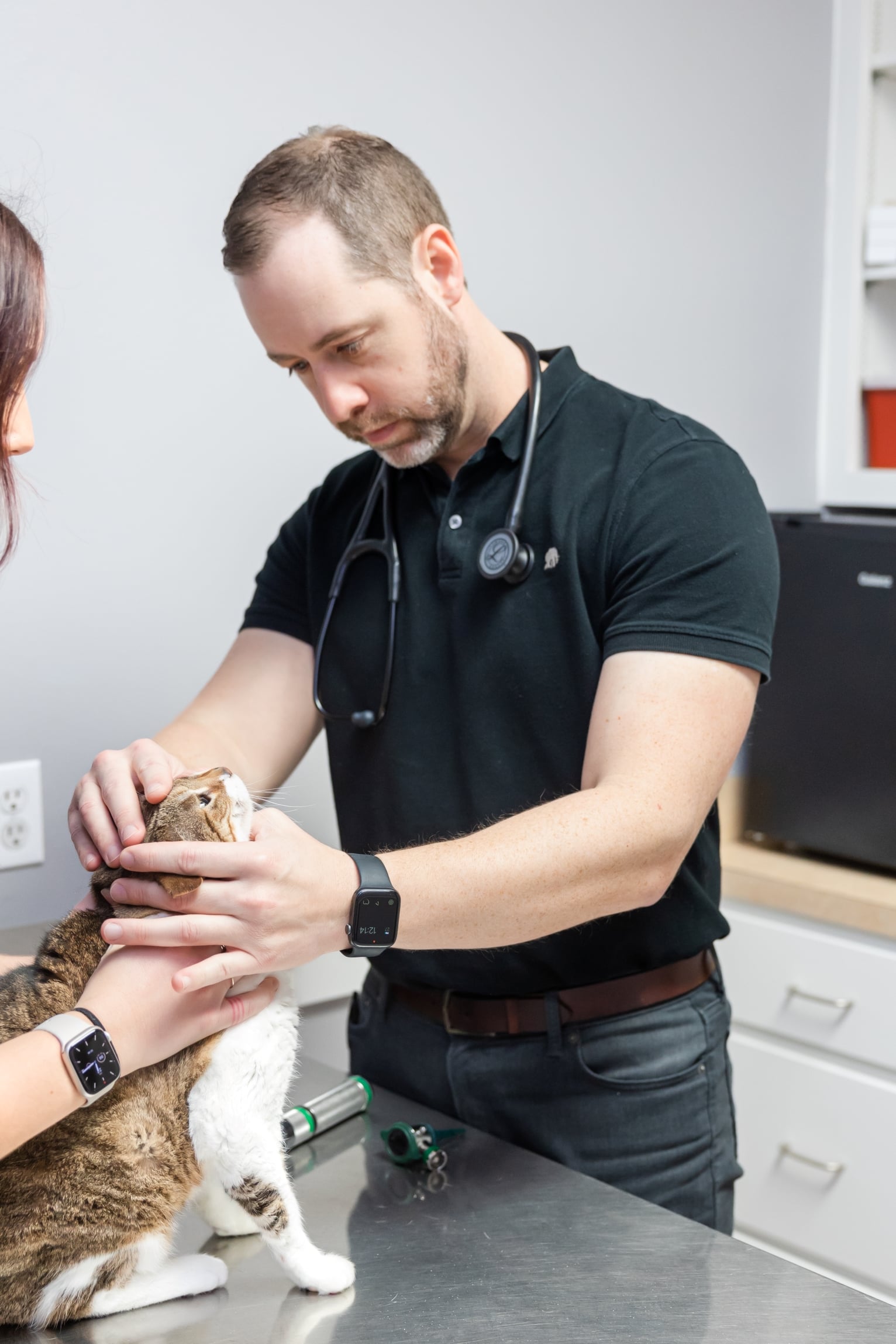
As a general rule, the initial engagement should emphasize listening and clarity. The veterinarian will map out a plan that aligns with the pet’s current condition and the family’s life. The plan is revisited regularly, and there is room to adjust as the pet ages or as new information emerges. Maintaining this ongoing dialogue is the core of a strong partnership, and it often makes the journey smoother for both pet and owner.

A note on accessibility and location
Prairieville Animal Hospital’s physical location and scheduling options influence how families experience senior care. Accessibility matters—the ability to reach the clinic without long commutes or excessive wait times reduces stress for aging pets. Online appointment requests, secure communication channels for test results, and predictable appointment windows contribute to a smoother process. The hospital’s staff is accustomed to working within a community that values reliable access to veterinary care, and they strive to minimize friction wherever possible.
Closing thoughts on companionship and care
Senior pets deserve a partnership that respects their longevity and their moments of joy. Prairieville Animal Hospital embodies a philosophy that care should be grounded in experience, practical medicine, and a respect for the emotional bond shared with a pet. The result is not a dramatic once-in-a-lifetime cure but a steady, reliable system that adapts as life evolves. For families, that translates into fewer surprises, more confidence in daily decisions, and a clearer sense of what each day will hold for their aging companion.
In the end, senior pet care is about sustaining the everyday magic—the quiet companionship during morning rituals, the gentle purrs during evening rests, and the resilient spark that keeps a long friendship alive. A veterinary partner who treats these moments with reverence and provides clear, actionable guidance makes all the difference. Prairieville Animal Hospital aims to be that partner, a steady anchor through the entire aging journey, from the first checkup to those quiet, precious years that follow.