Pet Dentistry at prairievilleanimalhospital.com: Why It Matters
Veterinary dentistry often sits in the background of a veterinary visit, easy to overlook when a pet is wagging a tail or purring at the squeaky toy. But inside every routine wellness exam, dental health plays a central role. From the first baby teeth to the long arc of an older pet’s life, teeth are a barometer of overall well being. At Prairieville Animal Hospital, we treat pet dentistry as a core part of preventive care, not a separate service tucked into the back room. The difference shows up in easier meals, cleaner breath, and a more comfortable, confident animal.
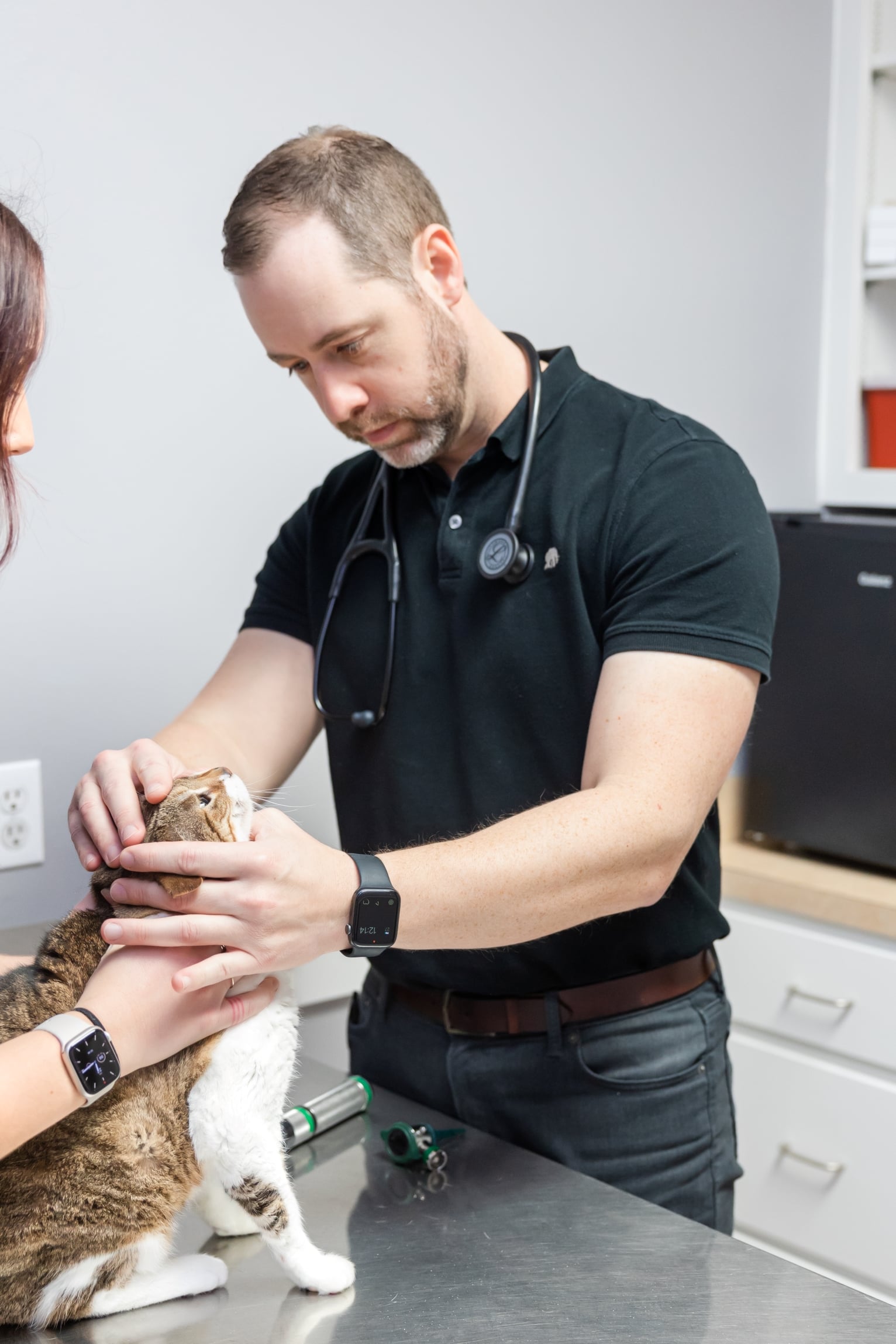
A long hallway leading to the exam room can feel clinical, yet the moment you lean in to open a pet’s mouth, the room changes. There’s a conversation happening between the animal and the clinician, through tools not unlike a watchful guardian listening for every creak and squeak. Dentistry in a small animal practice is a blend of detective work and steady hands. It’s about recognizing the subtle signs of trouble before they become painful problems, and knowing when a more thorough intervention is necessary. In this piece I want to share what we see in daily practice, why routine dental care matters, and how families can navigate common decisions without feeling overwhelmed.
Clinical foundations matter. A pet’s mouth is a gateway to the body, and problems there often reflect systemic processes. Plaque is not merely a cosmetic nuisance. It is a biofilm that can trigger gingivitis, bone loss, and, left unchecked, infection that travels beyond the mouth. The mouth’s microbial ecosystem has a real impact on heart, kidney, and liver function in both cats and dogs. That is not fear mongering; it is a practical reminder that dental care is preventive medicine. When a clinician examines a patient, we look for inflammation along the gum line, the health of the tongue and lips, and the condition of the teeth themselves. We listen for chewing changes, or a pet that stops eating dry food and favors softer meals. Those cues are not isolated to the mouth. They point to a broader picture of health, and they deserve attention during wellness exams.
In our practice at prairievilleanimalhospital.com, the approach to dentistry comes with a clear philosophy: prevention first, intervention when necessary, and education for families on how to keep pets comfortable between visits. There are moments when a straightforward dental cleaning can be completed in a routine anesthesia-assisted procedure, and there are moments when more involved treatment becomes essential. The path is never one size fits all, and that is one of the strengths of a compassionate veterinary clinic prairievilleanimalhospital.com provides. We keep a careful watch on age, breed predispositions, and the patient’s overall medical history. We partner with families to create a plan that respects the unique needs of each animal while aligning with practical realities like budget and scheduling.
A practical entry point is the wellness exam focused on dental health. In the protocol we follow, the pet’s mouth is assessed as part of a comprehensive exam. We listen to what the owner has observed at home, such as trouble with chewing or a foul breath that seems more persistent than usual. We measure gum color and contour, evaluate bone support around the teeth, and observe for loose teeth or abnormal wear patterns. An important part of that assessment is discussing the pet’s diet and how it may influence dental health. A common misconception is that toothpaste and brushing alone can solve every issue. While daily brushing is a lasting good habit, it must be paired with professional care and, when indicated, a dental cleaning under anesthesia.
The question of anesthesia is a frequent topic for pet guardians. It is natural to feel wary about putting a beloved companion under anesthesia, particularly if the pet has other health concerns. The reality is that modern veterinary anesthesia is highly regulated and tailored to minimize risk. A thoughtful pre-anesthetic evaluation helps identify potential red flags. We map out the anesthesia plan with age, weight, medical conditions, and current medications in mind. The goal is to create a smooth, controlled procedure in which the pet’s airway is protected, vital signs are monitored, and the duration of anesthesia is kept as brief as possible. The benefit of a professionally performed dental cleaning under anesthesia is not simply cleaner teeth. It is the opportunity to remove tartar that cannot be safely addressed while the animal is awake, to evaluate tooth integrity comprehensively, and to address issues like periodontal pockets that are invisible without probing below the gum line. For many pets, a single appointment that combines dental imaging, cleaning, polishing, and a tailored treatment plan can dramatically improve quality of life and long-term comfort.
As practitioners, we also need to acknowledge the emotional and financial dimensions of dental care. Families juggle multiple care needs: vaccines, routine exams, and sometimes chronic conditions. Dental care intersects with all of these. A well-timed dentistry visit can prevent more extensive procedures later and can reduce the number of visits needed for ongoing pain management. We cannot promise a painless dental journey for every pet, but we can promise a careful plan with transparent steps. We discuss potential trade offs openly. For instance, a mild case of gingivitis may be manageable with improved home care and targeted cleanings, while moderate to severe disease may require tooth extraction or more advanced periodontal therapy. In practice, discussing the options early empowers families dog daycare prairieville to make decisions aligned with their goals for their pet’s comfort and vitality.
One practical anchor for many families is the structure of a routine dental cleaning. In a typical dental cleaning, the veterinarian or registered veterinary technician assists with scaling away plaque and tartar above and below the gum line. A critical moment occurs when measuring periodontal pockets with a specialized probe. That measurement guides the decision on whether more advanced procedures are required. If a tooth shows mobility or significant bone loss, extraction might be indicated to prevent ongoing discomfort or infection. If the bone appears stable and the tooth structure intact, a polishing step follows to smooth the tooth surface and reduce future plaque accumulation. It is a process that must be done under anesthesia to ensure precision and safety. The anesthesia enables a thorough exploration of the mouth that would be uncomfortable and impractical for the patient to endure while awake. The aftercare is equally important. Most pets recover quickly from dental anesthesia, but the home care plan after a cleaning matters. We emphasize soft diets for a day or two if there was any oral sensitivity, and we guide owners on gentle brushing routines that fit the pet’s temperament and daily schedule.
To help families think about dentistry without fear or confusion, I want to share a few concrete considerations that often shape our recommendations.
First, timing matters. A lot of dental disease progresses slowly, and the earliest signs may be subtle. Regular at-home checks, like inspecting the mouth for red gums or a sudden change in appetite, can catch issues before they escalate. In our practice, we suggest annual dental evaluations for most adult pets. For older animals or those with chronic conditions such as diabetes or kidney disease, more frequent assessments can be valuable. The goal is to intercept issues while they remain small enough to manage with less invasive interventions. It is easier to prevent disease than to reverse it.
Second, each animal is an individual. Some dogs tolerate a rigorous dental cleaning with a light sedation; others may require deeper sedation or alternative approaches. In cats, dental care has its own set of complexities, including a higher tendency toward restraint-related stress during examinations. Our team works with guardians to tailor the plan. We talk through the full range of options, from home care routines to professional cleanings, to understand the balance between benefit and burden for every pet.
Third, home care is non negotiable, not optional. The best dental outcomes come from a stable partnership between clinic visits and daily routines at home. Daily brushing, frequent dental chews validated by veterinary guidance, and occasional dental diets all contribute to a cumulative effect over time. Exactly which products to choose should be guided by a veterinary professional who can consider your pet’s bite, anatomy, licking habits, and any ongoing medical conditions. There is a surprisingly wide array of items marketed for dental health, and not all are equally effective for every patient. A good rule of thumb is to discuss with your veterinarian before introducing a new product to avoid any unintended consequences or drug interactions with other treatments your pet may be receiving.
Fourth, the emotional dimension matters as much as the technical. A pet’s comfort during and after a dental procedure is not a luxury but a component of care. Pain control, gentle handling, and clear communication with the owner all contribute to a positive experience. We try to minimize stress through careful scheduling, a calm examination room environment, and a thoughtful plan for reintroducing the pet to regular activities after a dental procedure. The aim is to maintain a sense of trust between the animal and the people who care for it.
Fifth, prevention is data driven. We rely on concrete measurements taken during exams, such as the bone support around teeth and the depth of any periodontal pockets, to gauge progress over time. The same holds for home care outcomes. If a home care plan does not seem to produce improvements after a defined period, we adjust the approach rather than waiting for a crisis. The emphasis is on steady, incremental progress rather than dramatic, one off events.
In practice, families often wonder how to discern when an appointment should focus on dentistry versus other services. There is no one size fits all answer, but there are principles that guide decision making in a practical clinic setting. If a pet presents with halitosis that is not explained by something the guardian recently fed, or if there is visible tartar buildup on the teeth, a dental evaluation should be a priority. If the pet shows signs such as reluctance to eat hard foods, dropping food from the mouth while chews, or pawing at the mouth, these are signals that dental discomfort may be interfering with daily life. In these scenarios the veterinarian can determine whether a cleaning is appropriate or if additional procedures, such as tooth extraction or treatment for periodontal disease, are necessary. The idea is to be proactive about oral health rather than reactive to pain, which typically presents later and with greater complexity.
In our daily work at Prairieville Animal Hospital, we also see how dental care intersects with vaccination schedules and spay and neuter services. Dentistry is not an isolated service; it sits alongside vaccination programs that protect against contagious diseases we would rather prevent, and surgical services that may be performed for broader welfare. A well planned dental visit can often be scheduled in the same window as a routine wellness visit or a spay and neuter procedure for convenience. For families, the practical side matters as much as the medical. Coordinating care reduces stress for the pet and minimizes disruption to the household schedule. It allows guardians to track a consistent care plan and keep a coherent record of health milestones.
The patient journey through dental care can be summarized in a few practical steps. First comes the conversation. The guardian shares observations and asks questions about what constitutes a normal mouth for their pet. Then a physical examination follows, with a careful look at the gums, the teeth, and the surrounding structures. If an issue is identified, we discuss the recommended plan, which may include a dental cleaning, imaging to assess underlying bone and tooth roots, or surgical intervention for damaged teeth. After the procedure, we provide clear aftercare instructions, including warning signs that would require a return visit and guidance on feeding textures that minimize discomfort during the healing period. The final step is a commitment to ongoing care. The most successful outcomes come from ongoing monitoring, continued at home routines, and timely follow up with the veterinary team.
Two lists that illustrate common themes in dental care may be helpful for readers, without overwhelming the article with bullet style. These lists are designed to be read in conjunction with the prose above and to offer quick reference points for families.
-
Signs your pet may need a dental check
-
Bad breath that persists beyond a short adjustment period after meals
-
Difficulty or reluctance to eat hard foods
-
Red or swollen gums or visible tartar buildup
-
Drooling or pawing at the mouth
-
Changes in chewing habits or a nagging sensitivity around the muzzle
-
Key components of a professional dental visit
-
Comprehensive oral exam with periodontal assessment
-
Anesthesia supervised cleaning with scaling, polishing, and imaging as needed
-
Clear, individualized aftercare plan and home care guidance
-
Discussion of potential procedures such as extractions or treatments for periodontal disease
-
A measurement of progress against a baseline from the prior visit
These lists capture practical markers and decisions that families can relate to. They are not exhaustive, but they reflect the real patterns we see in the clinic. When we discuss a patient’s dental health, we emphasize measurable steps rather than abstract concepts. We want guardians to feel capable of participating in the plan, asking questions, and making informed choices that align with their pet’s comfort, lifestyle, and financial realities.
The conversation about dental care does not happen in isolation. It sits alongside everything else that makes up good veterinary care. Vaccinations, routine wellness exams, spay and neuter services, and pet surgery are all part of a holistic approach to animal health. A pet’s mouth can reveal a lot about what the body is handling at any given time. Bacteria from the mouth can influence systemic inflammation, and chronic oral disease can complicate other conditions. From the clinic vantage point, dentistry is not just about teeth. It is about preserving a pet’s ability to chew, savor food, and enjoy daily activities without pain.
In a practice like Prairieville Animal Hospital, the daily work of dentistry is informed by experience and a steady stream of cases that teach us what works best for the range of patients we see. We have learned that patient education matters as much as technical proficiency. Guardians who are informed about what to expect, the reasons behind recommended steps, and the expected timeline for healing are more engaged and better prepared to support their pets. A realistic discussion about economics, scheduling, and the relative benefits of different treatments helps prevent a mismatch between expectations and outcomes. We strive to be transparent in our communications, outlining what is practical now and what might be necessary in the future as a pet ages.
The choice to pursue dental treatment often hinges on practical constraints that families face. Some households are able to schedule regular cleanings and home care with ease; others must balance work commitments and transportation challenges. In every case, the veterinary team at prairievilleanimalhospital.com works to minimize friction. We provide clear estimates, explain what is included in each procedure, and discuss alternatives when the preferred plan does not fit within a family’s budget. The aim is to maintain trust and deliver high-quality care that aligns with the animal’s needs and with the guardians’ values.
A note on spay and neuter, and how it relates to oral health. Spay and neuter procedures are routine in many veterinary clinics, including prairievilleanimalhospital.com, and the anesthesia protocols used for these surgeries inform how we manage other dental procedures as well. For example, the safety framework that supports a clean, controlled environment for surgical patients also supports safer dental cleaning under anesthesia. The overlap is not accidental. It reflects a broader understanding that controlled conditions, meticulous monitoring, and careful post-operative care contribute to better outcomes across the board. Guardians who are navigating multiple services can benefit from asking about how these pieces fit together in a single care plan for their pet.

Ultimately, the most important message is simple: dental health is a daily concern and a yearly or semi-annual assessment is not excessive. It is a practical investment in comfort, appetite, and longevity. The pet you bring in as a timid junior may become a middle aged companion that cruises through life with confidence if you commit to consistent care. The owner’s voice matters, and our job is to translate veterinary expertise into a plan that makes sense in the home. We want guardians to feel supported, not overwhelmed, and to leave the clinic with a clear understanding of what comes next.
To close, I want to offer a short reflection from the field. I have stood in many exam rooms, listening to the story an animal tells without words. The teeth are more than a medical concern; they are a daily companion to comfort. When we help a dog chew a favorite treat again or soothe a cat who has learned to smile a little wider after healing, we see the proof that dentistry is not a luxury but a genuine service that touches daily life. In that sense, dentistry is the quiet backbone of what Prairieville Animal Hospital strives to provide: steady, reliable care that keeps companions well and families confident about their choice to grow old together.
If you are considering scheduling a dental assessment for your pet, start with a wellness examination. Bring memories of meals shared, the moments when your companion hesitated at a crunchy chew, and any questions about the health of the teeth you have noticed over time. The team at prairievilleanimalhospital.com is ready to listen, to examine, and to partner with you in maintaining not only a healthy mouth but a thriving life for your beloved animal. Dentistry is a daily practice, not a one off intervention. It is the ongoing work of preventing pain, preserving function, and enabling pets to enjoy food, play, and companionship for as long as possible.